Key Insights
- Skipping professional conveyancing in London leaves buyers exposed to legal defects, title problems, and costly surprises invisible at the viewing stage
- Choosing the cheapest conveyancer without checking credentials is one of the most common and expensive mistakes London buyers make
- Failing to instruct a conveyancer immediately after an offer is accepted can cost buyers their purchase in London’s fast-moving market
- Property searches reveal planning issues, flood risk, and drainage problems that only a qualified conveyancer in London will identify and explain
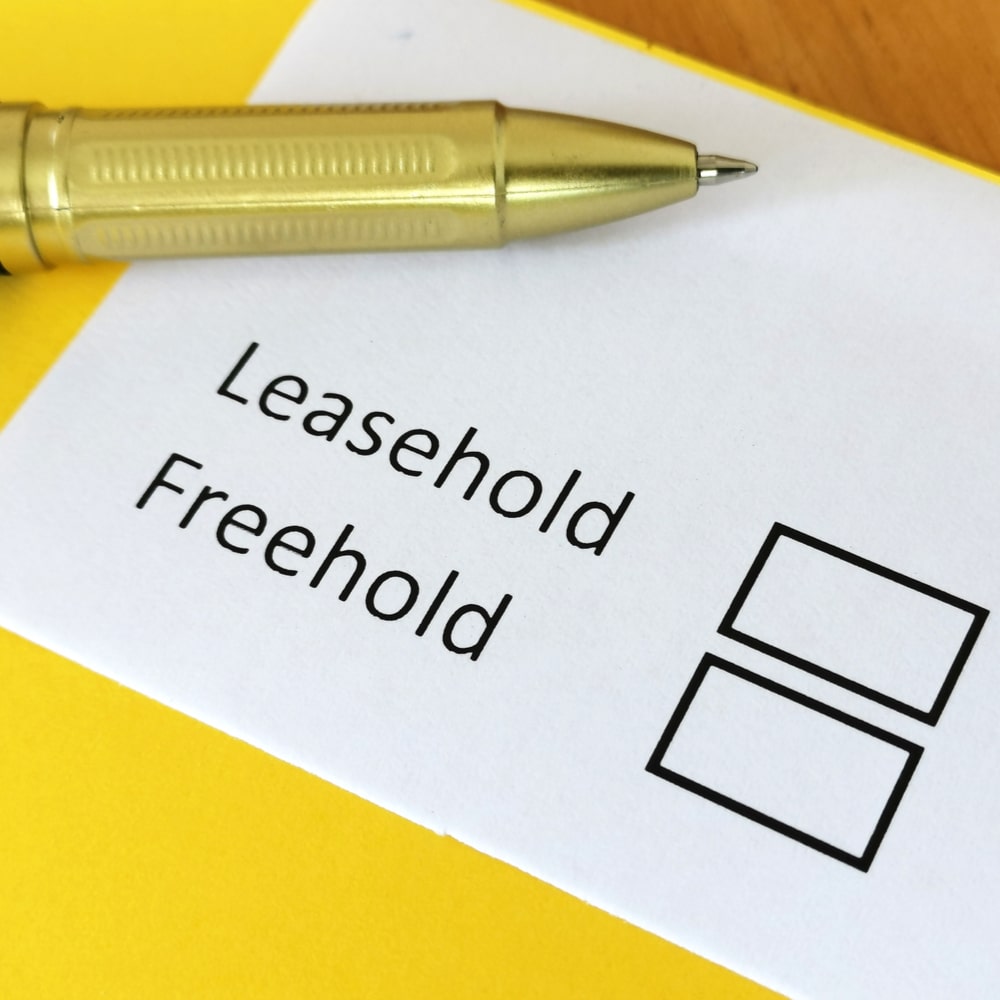
- Leasehold properties — the majority of London flat sales — carry legal complexities around lease length, ground rent, and service charges that require specialist attention
- Stamp Duty Land Tax must be calculated correctly and filed within 14 days of completion — errors create problems with HMRC that persist long after moving in
- Express Conveyancing provides specialist conveyancing solicitors in London who protect buyers at every stage with transparent fixed fees and dedicated case handlers
Introduction
Buying a property in London is exciting — but it is also one of the most legally complex financial decisions you will ever make. The capital’s property market moves fast, prices are high, and the paperwork is anything but straightforward. Yet, time and again, buyers try to cut corners, skip professional legal advice, or appoint the wrong person for the job — and they pay for it dearly.
If you are buying a home, flat, or investment property in London, this guide takes a frank look at the biggest mistakes buyers make when they go without experienced conveyancing solicitors in London — and why getting it right from the start saves you far more than money.
Understanding these risks before you commit to a purchase is one of the most valuable pieces of preparation any UK property buyer can undertake. The consequences of getting conveyancing wrong in London are real, lasting, and in many cases entirely avoidable with the right legal support in place from the beginning.
What Is Conveyancing and Why Does It Matter So Much in London?
Conveyancing is the legal process of transferring ownership of a property from seller to buyer. It involves checking title deeds, reviewing local authority searches, raising enquiries, verifying planning permissions, examining lease terms, and protecting the buyer from a wide range of legal risks that are not visible during a physical viewing.
London properties come with layers of complexity that properties elsewhere in the UK often do not. Leasehold flats are particularly common, and with them come ground rent clauses, service charge disputes, shared freeholders, and restrictive covenants that could affect how you use — or eventually sell — your property.
Without a qualified conveyancer in London handling every aspect of this process, buyers can exchange contracts on properties with serious legal defects and find themselves with no recourse once completion has taken place.
Mistake 1: Assuming the Process Is Simple Enough to Handle Without a Solicitor
Some buyers genuinely believe that conveyancing is little more than signing contracts and collecting keys. In reality it is a detailed legal process that requires professional expertise to navigate safely, particularly in London where property transactions are among the most complex in the country.
The lease document alone on a London flat can run to hundreds of pages, specifying obligations, restrictions, service charge bases, forfeiture conditions, and alteration rules that carry serious financial consequences if not properly understood before exchange. A solicitor for conveyancing in London reads these documents with the attention they demand and advises buyers on every clause that matters to their long-term interests.
Buyers who proceed without specialist legal support frequently discover problems only after completion — at which point they own the problem and have no practical means of undoing it.
Mistake 2: Choosing the Cheapest Option Without Checking Credentials
It is tempting to search for the cheapest conveyancing London has to offer and go with the lowest quote. The problem is that not all conveyancers are equal, and in London’s high-value, high-stakes market, a cut-price service can end up costing buyers thousands.
Cheap conveyancing firms often overload their case handlers with hundreds of files at once. Buyers become one case in a pile, calls go unreturned, deadlines are missed, and sellers lose patience. In a competitive London chain, that can mean losing a property entirely.
When looking for property solicitors in London, buyers should verify that their chosen firm is:
– Regulated by the Solicitors Regulation Authority (SRA) or the Council for Licensed Conveyancers (CLC)
– Experienced specifically in London property transactions
– Clear about their fees with no hidden extras
– Responsive, and ideally offering online case tracking so buyers are never left waiting for updates
Express Conveyancing combines competitive, transparent pricing with the dedicated expertise, regulation and responsiveness that London buyers genuinely need at every stage of their transaction.
Mistake 3: Not Instructing a Conveyancer Immediately After an Offer Is Accepted
This is a mistake that costs buyers their purchases more often than many realise. An offer is accepted, and the buyer spends a week or two thinking about who to instruct, gathering quotes, and having conversations — while the seller watches and grows nervous.
In London especially, sellers move on. If a buyer is not showing real momentum — instructing their conveyancing solicitors in London immediately, completing ID verification, and returning their client care letter — vendors will accept a backup offer from someone who looks more committed.
The moment an offer is accepted, a conveyancer should be instructed quickly. Express Conveyancing can onboard new clients almost instantly, putting buyers in the strongest possible position to hold on to the property they want.
Mistake 4: Treating Property Searches as Optional
Property searches are not optional extras. They are essential legal checks that reveal issues no buyer would ever spot during a physical viewing. In London, this is especially important given the capital’s dense history of development, drainage complexity, and planning activity.
A conveyancing solicitor in London will arrange all necessary searches as a standard part of the transaction, including:
Local authority searches, which reveal planning permissions, enforcement notices, road adoption status, and nearby proposed developments that could affect the property’s value or use.
Water and drainage searches, which confirm whether the property is connected to public sewers — information that is critical for anyone planning extensions or building works.
Environmental searches, which flag flood risk, ground contamination, and land stability issues that are not visible at viewing stage.
Chancel repair liability checks, which identify an obscure but real financial risk that exists in certain London locations.
Buyers who skip or rush searches frequently discover these problems only after completion. By then, the problems belong to the buyer.
Mistake 5: Not Understanding Leasehold Fully Before Committing
Around 70 percent of properties sold in London are leasehold — overwhelmingly flats, but some houses too. Leasehold is one area where buyers without proper legal guidance consistently come unstuck, often because the risks are buried in lease documentation that requires specialist expertise to interpret.
Key issues that property solicitors in London will investigate on a buyer’s behalf include:
Lease length. Anything below 80 years becomes increasingly expensive and difficult to extend. Mortgage lenders may refuse to lend at all below certain thresholds, and future buyers will face the same restriction, directly affecting resale value.
Ground rent. Older leases can contain doubling ground rent clauses that make properties unmortgageable and effectively unsellable. The law on ground rent for new leases has changed significantly in recent years, but existing leases with problematic terms remain in circulation.
Service charges. Buyers need to understand what is currently charged, what major works are planned, and whether a substantial bill is likely to land shortly after they move in.
Freeholder restrictions. Some leases prohibit subletting, pets, alterations, or short-term lets — all of which can be material depending on the buyer’s plans for the property.
None of this information is visible on a property listing. It lives in the lease, and understanding it requires a trained and experienced eye.
Mistake 6: Overlooking the Title Register
The title register is the legal document that proves ownership of a property and records any charges, restrictions, or covenants attached to it. Most buyers have never read one and do not know how to interpret what they are looking at.
A specialist conveyancer in London will review the title register carefully and flag issues including:
– Mortgages or charges that have not been correctly discharged by the seller
– Restrictive covenants preventing future extensions or changes of use
– Rights of way or easements that affect how the land can be used
– Overriding interests — rights held by third parties that may not appear on the register at all
Missing any of these issues means buying a property that is legally encumbered in ways that affect its value, mortgageability, or the buyer’s plans for it.
Mistake 7: Miscalculating or Misunderstanding Stamp Duty Land Tax
A buyer’s conveyancing solicitor in London should explain their Stamp Duty Land Tax liability before exchange and ensure it is calculated and paid correctly after completion. SDLT errors are more common than many buyers expect and more consequential than they anticipate.
Common SDLT mistakes include:
– Forgetting the 3 percent surcharge that applies to second homes and investment properties
– Missing first-time buyer relief, which currently applies on properties up to £500,000
– Calculating incorrectly on mixed-use properties or shared ownership purchases
– Missing the 14-day filing and payment deadline after completion, which triggers penalties from HMRC
Getting SDLT wrong creates legal and financial complications that persist long after the keys have been handed over.
Mistake 8: Going Silent Once the Transaction Is Underway
Even buyers who instruct qualified conveyancing solicitors in London can slow their own transaction by going quiet and assuming everything is progressing without their involvement. Conveyancing has many moving parts, and delays frequently occur on the buyer’s side simply because a document was not returned, an ID check was not completed, or a question from the solicitor went unanswered.
Buyers who use online case tracking portals, respond to communications promptly, and proactively chase their mortgage lender when needed consistently experience faster and smoother transactions than those who take a passive approach.
Mistake 9: Exchanging Without a Clear Completion Strategy
Exchange of contracts is the point at which the sale becomes legally binding. After exchange, pulling out means losing the deposit. Getting to exchange with everything genuinely in order — confirmed mortgage offer, arranged buildings insurance, cleared deposit funds, and a completion date that works for everyone in the chain — requires careful coordination that experienced solicitors manage as a matter of course.
Buyers who rush to exchange without thinking through completion logistics, particularly in long chains where timing across multiple properties must align, regularly find themselves in difficult positions that could have been avoided with better planning and professional advice.
Our Take: Why Specialist Conveyancing Solicitors in London Make a Measurable Difference
Conveyancing in London is not the same as conveyancing elsewhere in the UK. The prevalence of leasehold, the complexity of title arrangements in the capital, the pace of the market, and the financial stakes involved all create a level of transactional complexity that requires genuine specialist expertise to navigate safely.
A specialist conveyancing solicitor in London does more than process documents. They identify risks before exchange, advise on whether a lease extension should be initiated before contracts are signed, review title registers with the attention they deserve, and coordinate the entire process in a way that protects the client’s long-term interests rather than simply completing the transaction.
The difference between a conveyancer who treats a London property purchase as a standard transaction and one who applies genuine specialist expertise is measurable in the financial outcomes buyers experience long after completion.
At Express Conveyancing, our specialist team of conveyancing solicitors in London offers fixed, transparent fees, dedicated case handlers with deep experience in London’s property market, online case tracking, and expert handling of leasehold, new build, shared ownership, and complex freehold transactions.
FAQ: Conveyancing Solicitors in London
What do conveyancing solicitors in London actually do?
Conveyancing solicitors manage the entire legal process of transferring property ownership. They review the title, conduct searches, raise and respond to enquiries, review the lease on leasehold properties, coordinate mortgage requirements, prepare and exchange contracts, and manage the completion process. In London, where transactions are typically more complex, specialist expertise throughout this process is essential.
How long does conveyancing take in London?
A standard freehold transaction in London typically takes eight to twelve weeks. Leasehold transactions take longer due to the additional documentation involved, with ten to sixteen weeks being a realistic expectation. Complex cases, short leases, or long chains can extend timelines further.
How do I choose the right conveyancer in London?
Look for a firm regulated by the SRA or CLC with specific experience in London property transactions. Check that fees are fixed and transparent, that the firm offers clear communication and case tracking, and that case handlers are accessible throughout the process. Avoid firms that offer unusually low fees without clear explanations of what is and is not included.
What is the difference between a solicitor and a licensed conveyancer?
Both are qualified to handle conveyancing transactions. Solicitors are regulated by the SRA and are qualified lawyers who can assist with a broader range of legal matters. Licensed conveyancers are regulated by the CLC and specialise specifically in property transactions. Both are suitable for conveyancing in London provided they have the necessary experience.
Do I need a local conveyancer in London?
No. Most conveyancing in London is handled remotely with communication by phone, email, and online portals. What matters is specialist expertise in London property transactions, not physical proximity to the property. Express Conveyancing handles transactions across all London boroughs and beyond.
How can Express Conveyancing help with my London property purchase?
Express Conveyancing provides specialist conveyancing solicitors in London for buyers, sellers, and those remortgaging or transferring equity. Our team handles every stage of the transaction with the depth of expertise London property demands, and our clients receive fixed fees, dedicated case handlers, and clear communication throughout. Contact us today for a free, no-obligation quote.